From Rescue to Rescuer
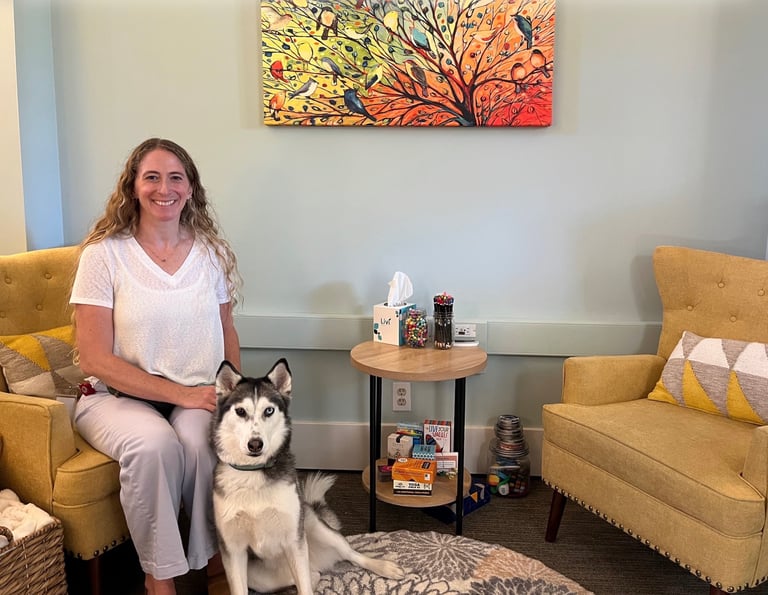
Once a fearful rescue dog struggling with her own past, Marshmallow has transformed into a professional healer alongside MIYFS therapist Corinne Alef, proving that the very dog who once needed saving is now the one helping Mercer Island families find their own path to safety and resilience.
Marshmallow’s Journey to MIYFS
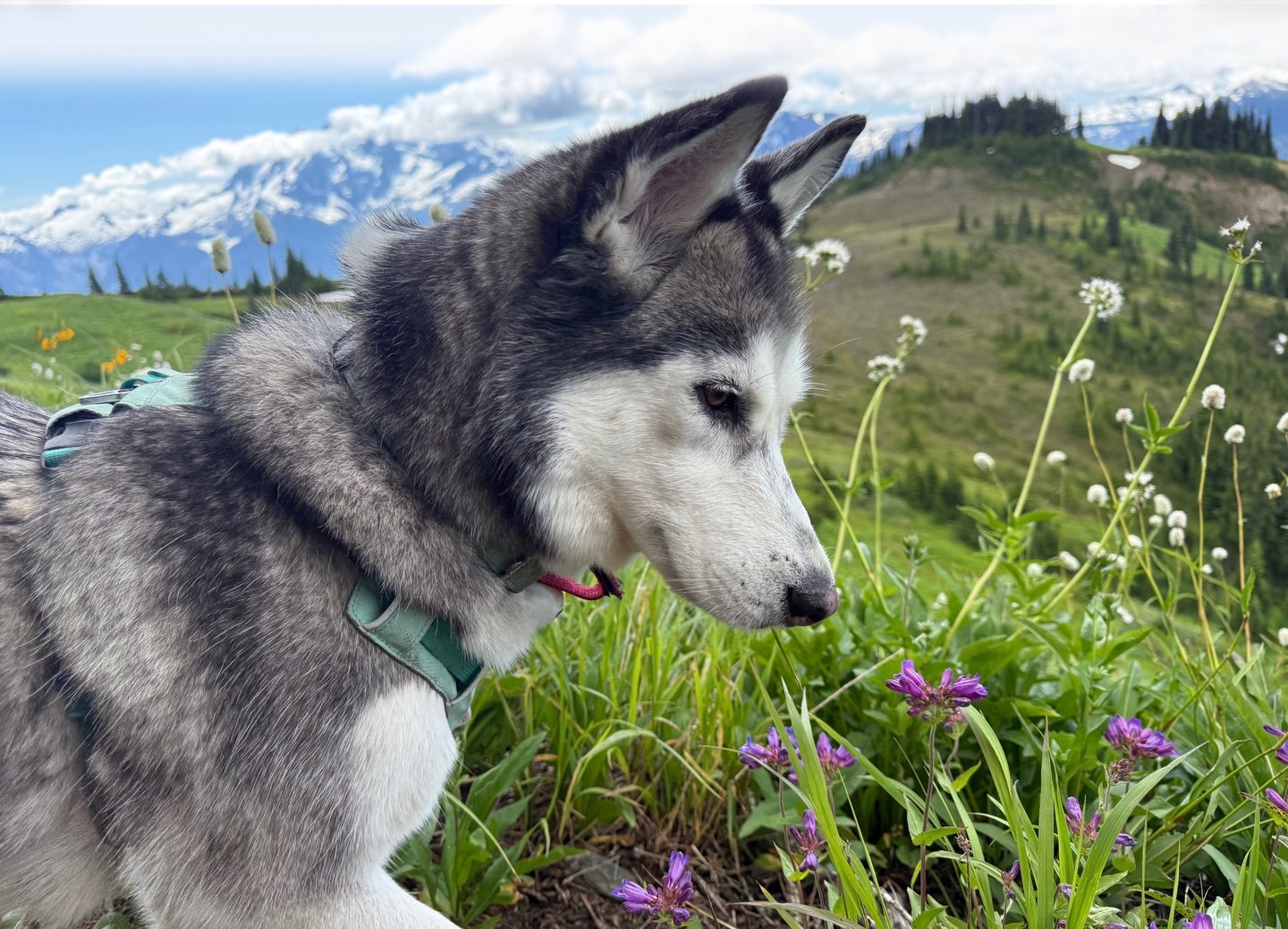
Years ago, this white Siberian Husky was a dog defined by fear. Plagued by intense separation anxiety and the shadows of past mistreatment, she once struggled to even handle a quick trip to the grocery store without extreme distress.
Today, however, Marshmallow has a new title: Rescuer. As a “Canine Good Citizenship” trained therapy dog, she spends her days helping Island youth and families navigate their own "scary things," proving that the journey from being rescued to doing the rescuing is a powerful path to healing.

A Story of Finding Safety
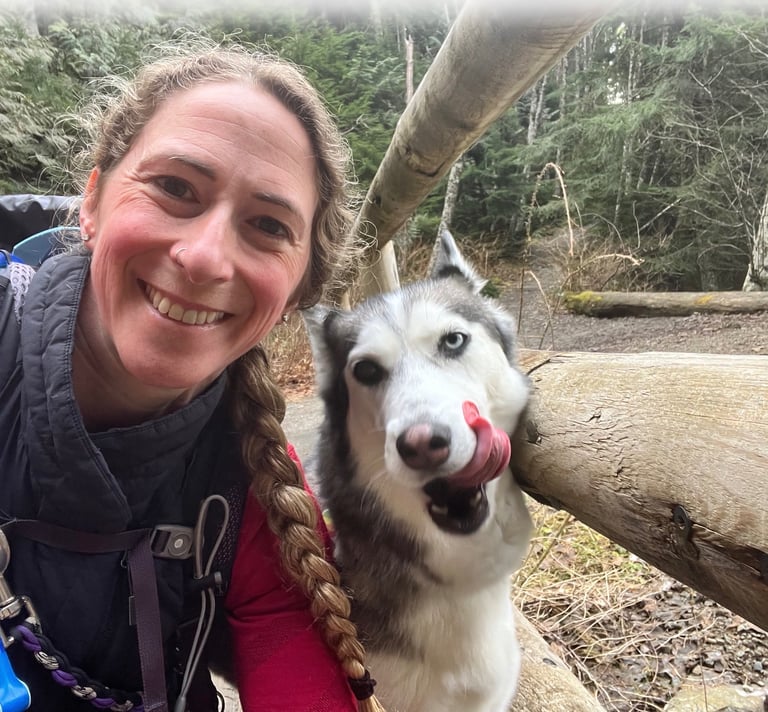
Marshmallow’s transformation is a testament to the partnership she shares with Corinne Alef, an Individual and Family Therapist at MIYFS. Marshmallow originally came into Corinne’s life by accident through a best friend. It soon became clear that the husky had "picked" Corinne’s home as her safe haven.
Somewhat unexpectedly given her early experiences, Corinne noted Marshmallow’s potential as a therapy dog. Canine-assisted therapy is a goal-oriented intervention where a trained dog is integrated into the therapeutic process to facilitate a client’s emotional regulation and support clinical goals. In the therapeutic setting, a trained dog can act as a non-judgmental "social bridge," that helps clients lower their defenses and navigate difficult conversations that might otherwise feel overwhelming.
“Marshmallow is incredibly calm in the therapy room and unfazed by large swings in emotion or loud noises,” and “she is also one of the cuddliest dogs I have ever met, but she is also content not being the center of attention (unlike my golden retriever, who will never let you stop petting her once you start).” These are all essential job qualifications for a therapy dog.
In therapeutic sessions, Corinne noticed immediately how Marshmallow’s presence helped clients rush less to fill silence after something difficult was said aloud. “We live in a world that moves quickly, but sometimes emotions truly need a little time and space” she notes.
Corinne now uses Marshmallow’s history as a gentle therapeutic bridge. When young clients struggle to speak about difficult or frightening events, Corinne turns to Marshmallow’s experience: “I sometimes use Marshmallow’s story of feeling unsafe and cautious after being harmed and then finding safety again.”


From the Darkroom to the Therapy Room
Corinne’s own journey to MIYFS was also one of transformation. A mother of two teens who moved to the Pacific Northwest 20 years ago for the mountains, Corinne spent her first career in advertising photography, working in digital retouching and post-production.
"Going back to graduate school was a move to bring my volunteer work with kids front and center," Corinne explains. "I felt grateful to move into this field with a wealth of life experience, which made my education so much richer." While she had always dreamed of animal-assisted therapy, it was Marshmallow’s unique, calm temperament that finally turned that dream into a reality.
Did You Know? A Quick History of Four-Legged Healers
A Timeless Bond: While concrete evidence of dog domestication dates back 35,000 years in Europe, some research suggests the relationship between humans and dogs began as far back as 400,000 years ago.
The Quaker Connection: The first documented integration of dogs in a therapeutic setting was in 1792 at a Quaker rehabilitation farm in New York.
Freud’s Furry Assistant: Even the father of psychoanalysis, Sigmund Freud, often had his dog in the room during sessions; he noted that the animal’s presence helped his clients speak with more openness and ease.
The "Magic" in the Session
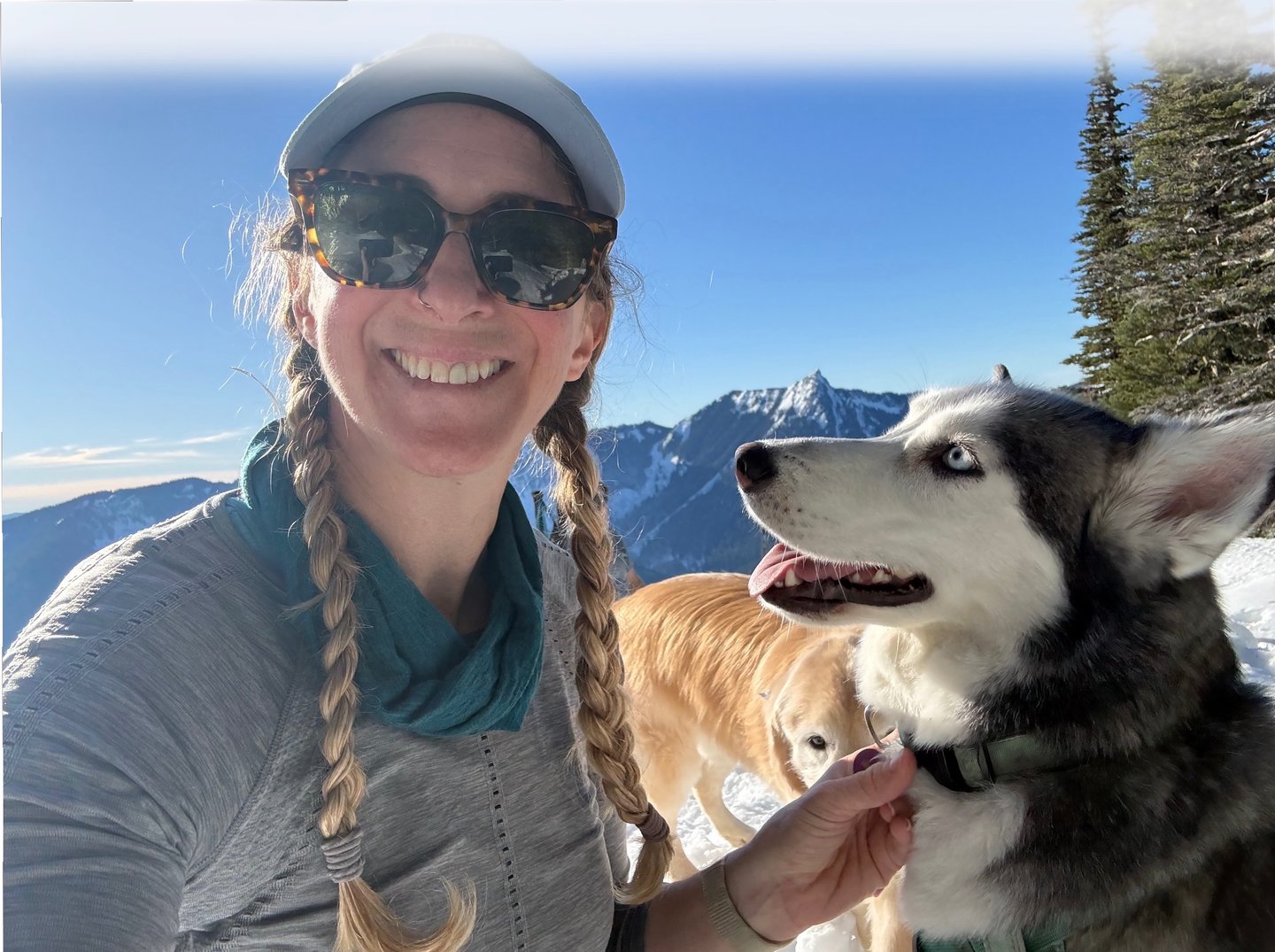
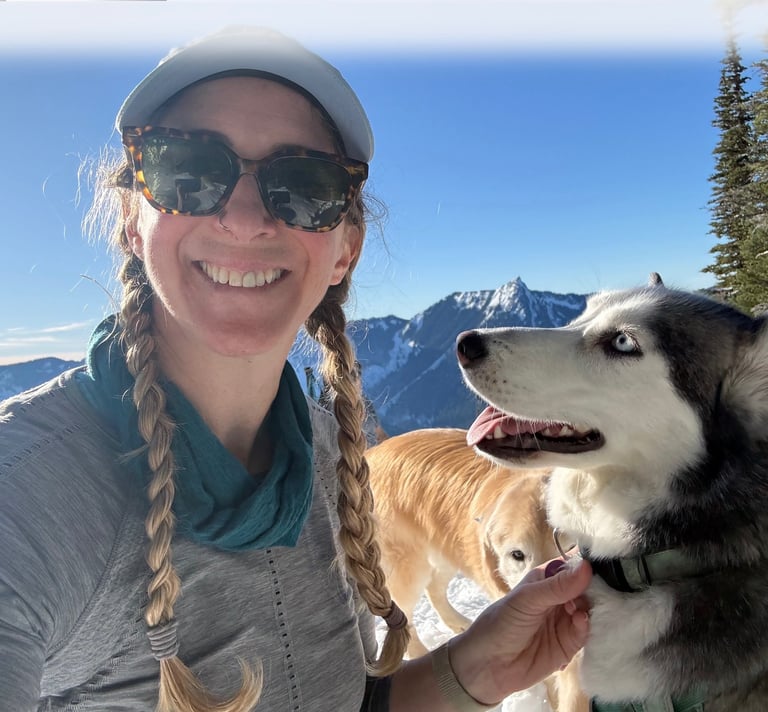
So, what does a typical day look like for this team? While Marshmallow is happy to nap while Corinne handles paperwork, her real work happens during sessions. Corinne describes it as "watching magic":
The Social Bridge: For those who find direct eye contact intimidating, focusing on Marshmallow takes the pressure off, allowing them to speak more openly.
Cleaning the "Emotional Closet": Corinne likens ignored emotions to items in the back of a closet that "fester and stink up the place." Marshmallow provides the courage and grounding needed to pull those items out and look at them.
Biological Calm: Science backs it up—interactions with a loved dog can increase oxytocin (the bonding hormone) by an average of 57.2%, significantly lowering heart rate and blood pressure.
"Early on, I spent session after session on the floor because clients just wanted to be near her," Corinne says. "It wasn't a comfy floor, so I eventually caved and bought a couch!"

The "Off-Duty" Report
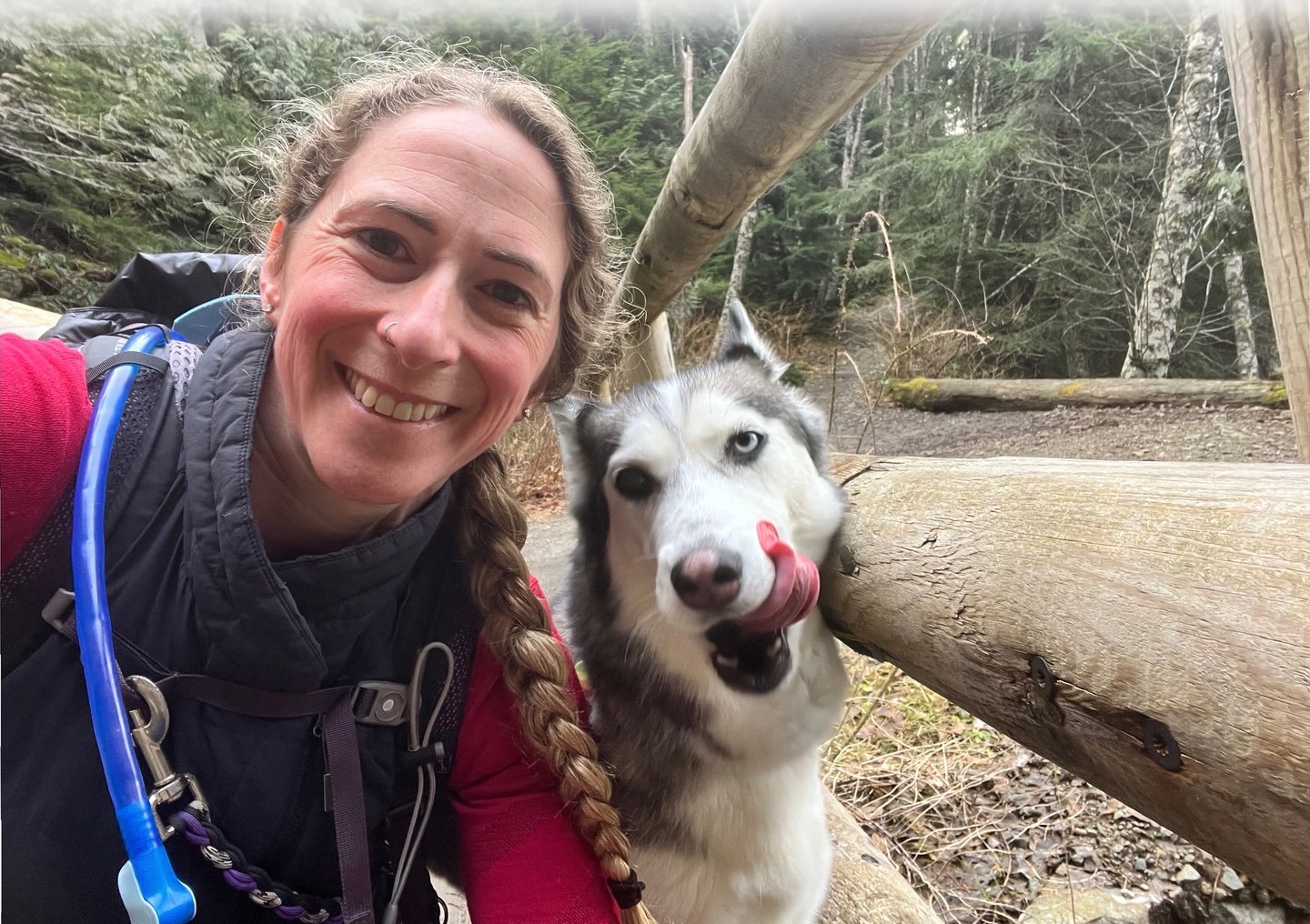
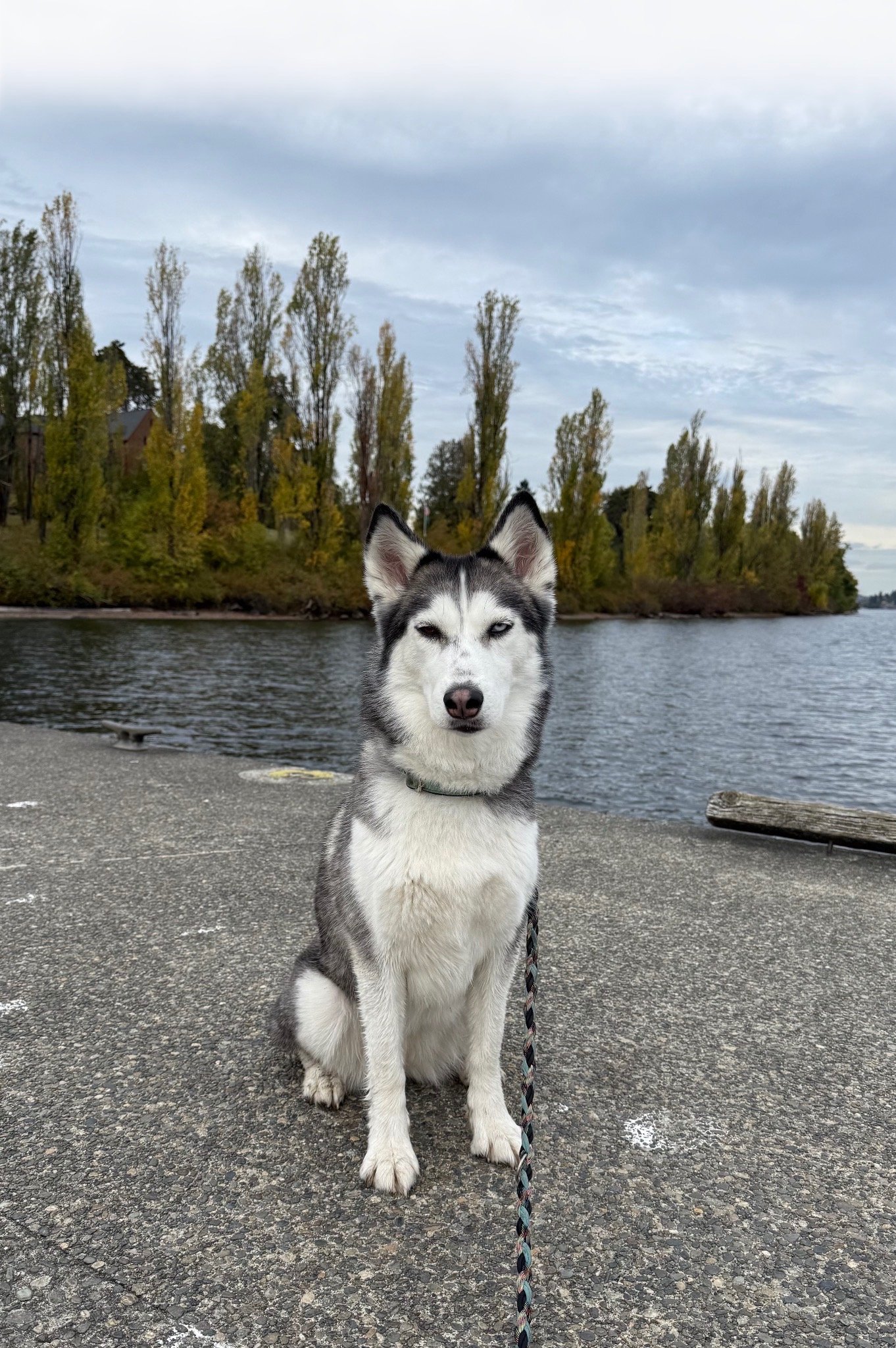
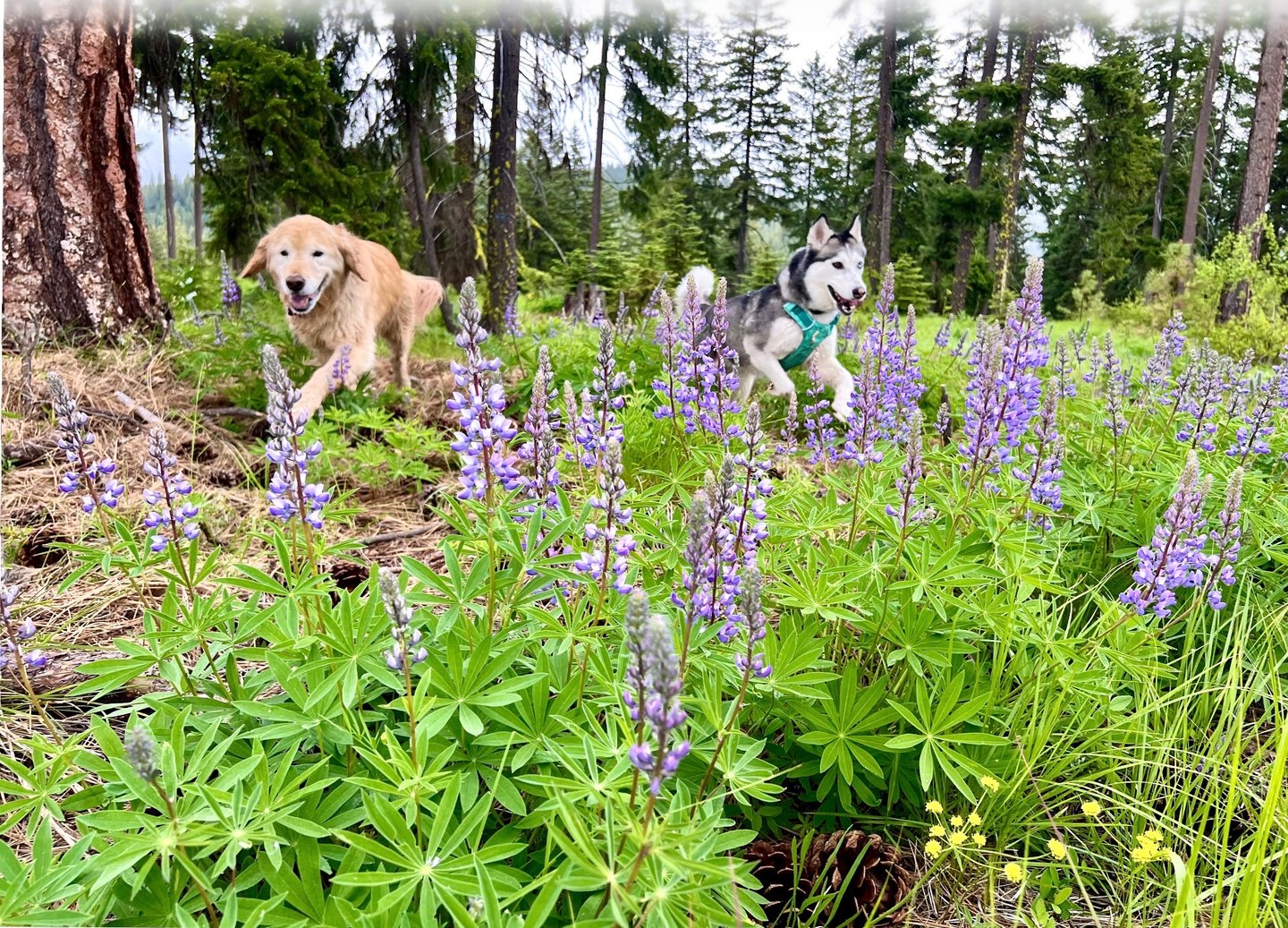
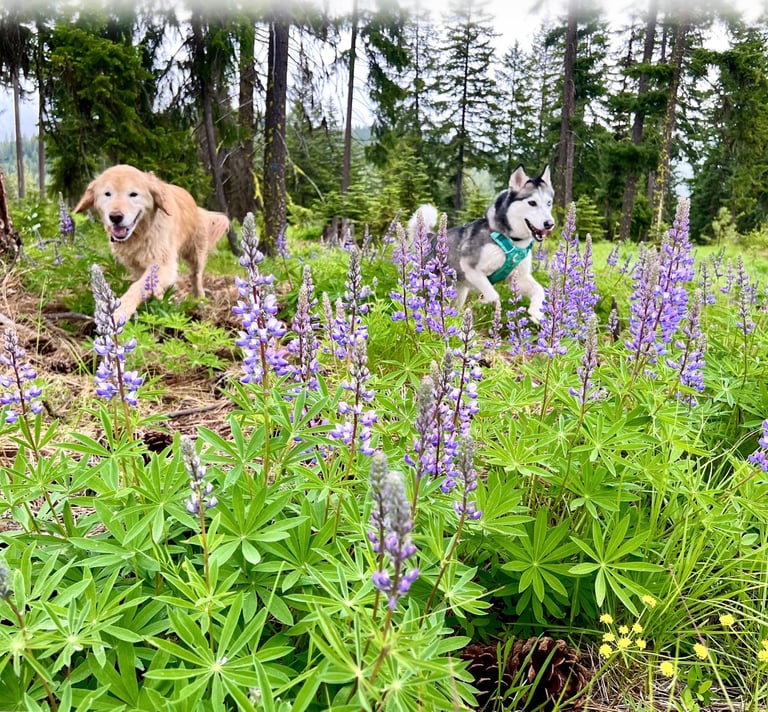
When she isn't helping Islanders navigate life’s challenges, Marshmallow lives a high-energy life that is quite a departure from her calm office persona. At home, she treats her older fur-sister, Luna, like a favorite chew toy, though she is still working—with very little success—to earn the friendship of the household cat.
Her favorite activities include sprinting through the woods and pursuing anything that squeaks. She remains deeply committed to her "mole patrol," dedicated to excavating any tunnel that dares enter her yard during the summer months. And while she is a world-class climber at heart, she has yet to successfully scale a tree, no matter how hard she tries. Above all, she is a professional snuggler; there is no hug or cuddle in the Alef household into which Marshmallow won't try to nuzzle.
Where to Learn More & Get Involved
Because of the confidential nature of therapy and professional ethical codes, you won't find Marshmallow or Corinne on social media. However, there are many ways to engage with their mission or even start your own journey with a furry partner:
Seeking Support: If you are curious about therapeutic work or specifically interested in working with a therapist who utilizes animal-assisted therapy, you can reach the MIYFS confidential intake line at (206) 275-7657.
Training Your Own "Healer": Corinne highly encourages curious pet owners to sign up for a Canine Good Citizen (CGC) training class. It provides the essential foundation for any therapy work. "I doubted it many times with a strong-willed Husky," she admits, "but if you trust the process, you'll get there."
Volunteer Opportunities: If you want to partner with your animal to provide support to others, organizations like Pet Partners and Therapy Pet Alliance are excellent resources for certification and volunteer placement in hospitals, schools, and senior facilities.